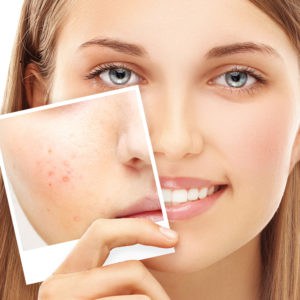
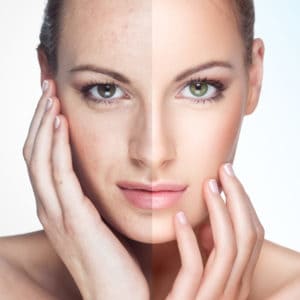
Is your acne persistent and resistant to treatment? Acne can be stubborn, and there is no one-size-fits-all treatment. But there is hope! Acne can be managed effectively—thanks to our non-invasive medical procedures and products.
Timeless specializes in treatments for the following conditions:
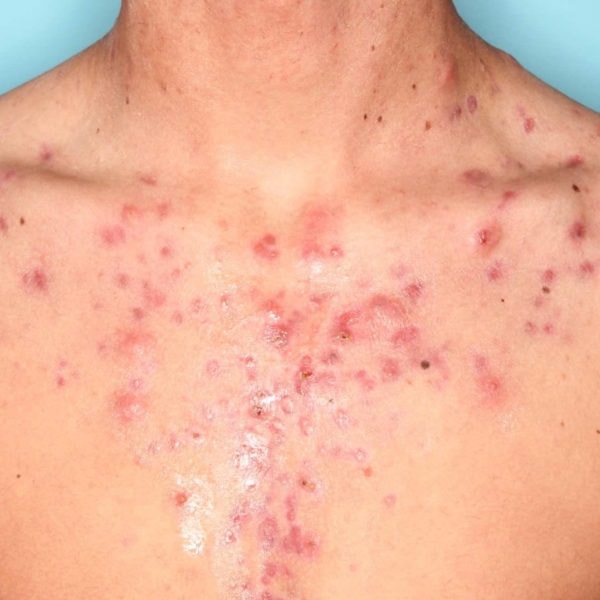
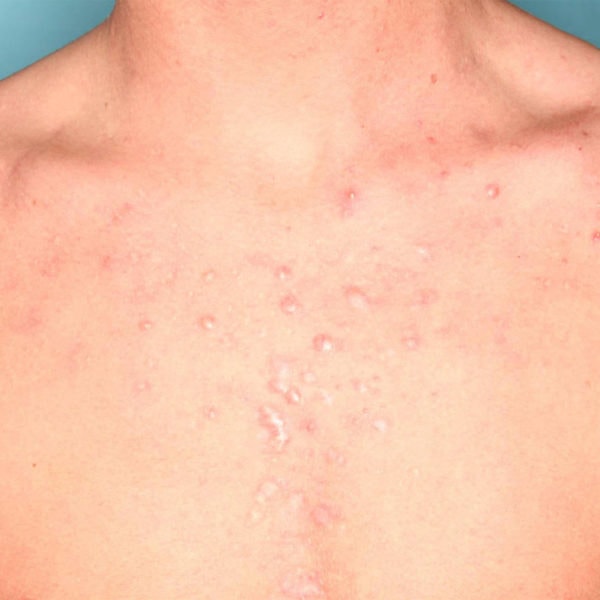
All acne treatments are not treated equal. In your initial consultation, we will examine your skin to determine the type and severity of your acne. Then we’ll create a customized treatment plan to clear your acne and smooth your skin.
We have a host of options to treat and combat your areas of concern. Explore our service menu below to learn about some of the most effective treatments Timeless can use to help you.
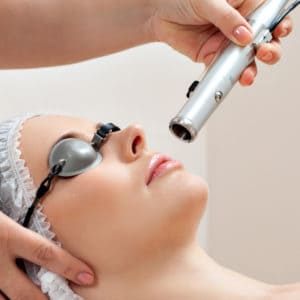
A safe laser treatment that smooths fine lines and scars, improves the texture of the skin, decreases redness and pore size with no downtime.
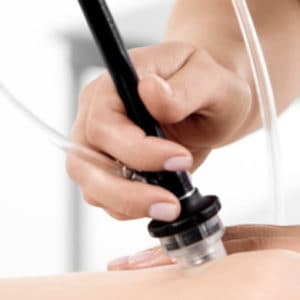
A breakthrough exfoliation and infusion system that revitalizes the skin treating fine lines & wrinkles, skin texture, pore size, acne, and sun damage.
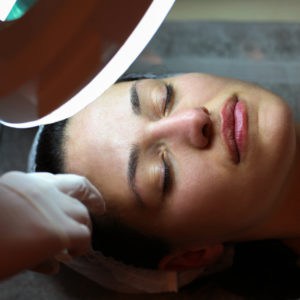
PDT using Levulan® improves skin texture and treats a variety of skin concerns, including Actinic Keratoses, age spots, discoloration, acne, pore size, and scars.
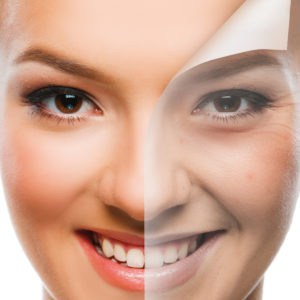
Exfoliates the top layer of the skin to effectively treat fine lines and wrinkles, texture, acne, brown spots, and pore size.
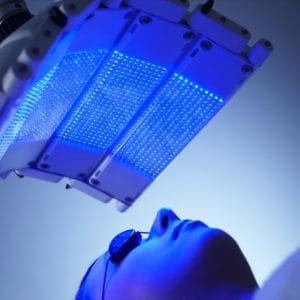
FDA-approved phototherapy treatment used in combination with other treatments to reduce redness, rosacea, scarring, inflammation and acne-causing bacteria.
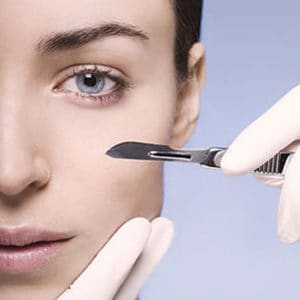
A specialized tool safely, painlessly and gently removes “peach fuzz” from the face that laser hair removal cannot. It also gently exfoliates skin, removing the top layer of dead skin cells to help topical skin care products penetrate more deeply.
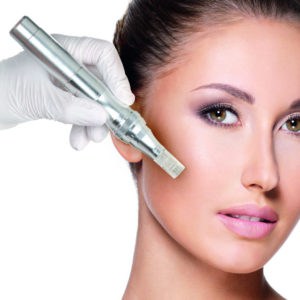
A non-surgical, therapeutic treatment used to improve the appearance of fine lines, texture, pores, scars and wrinkles.
During your consultation, we’ll examine your skin to determine the type and severity of your acne. Then we’ll create a customized treatment protocol to clear your acne and smooth and soften your skin.
We can treat acne caused by:
When oil (sebum) from the skin’s sebaceous glands move into pores and toward the surface of the skin, it mixes with bacteria and dead skin cells. Excess sebum magnifies this natural process, clogging pores and creating acne.
P. acnes or Propionibacterium acnes is a natural bacteria that’s part of your skin’s maintenance system. Once a pore gets plugged with excess sebum, P. acnes bacteria multiply rapidly, causing inflammation or what’s commonly known as a pimple.
Androgen hormones in teens and adults can cause overactive sebaceous glands, which can lead to plugged pores and rapid multiplication of bacteria. The result is an acne flare-up.
Dead skin cells mix with excess sebum, plugging pores and preventing skin from finishing its natural process of renewal or exfoliation. While not acne itself, slow cell turnover can clog pores. This encourages the growth of acne bacteria and can lead to break outs.
Your path to clear, healthy, vibrant skin begins with a simple consultation. Book one today to meet with one of our medical experts to identify your path forward.